
Affiliate Disclosure: Some links in the RVBN Business Book Library may be affiliate links. If you purchase through one of these links, RVBN may receive a small commission at no additional cost to you. We recommend books because we believe they may be useful to our members, Our members use our link to help support RVBN.
Business Is Built on Relationships
Products matter. Pricing matters. Marketing matters.
But business ultimately involves people.
Customers want to feel heard. Employees want to feel appreciated. Vendors want to be treated fairly. Prospects don't want to feel pressured. And almost nobody responds well to criticism, arguments, or feeling unimportant.
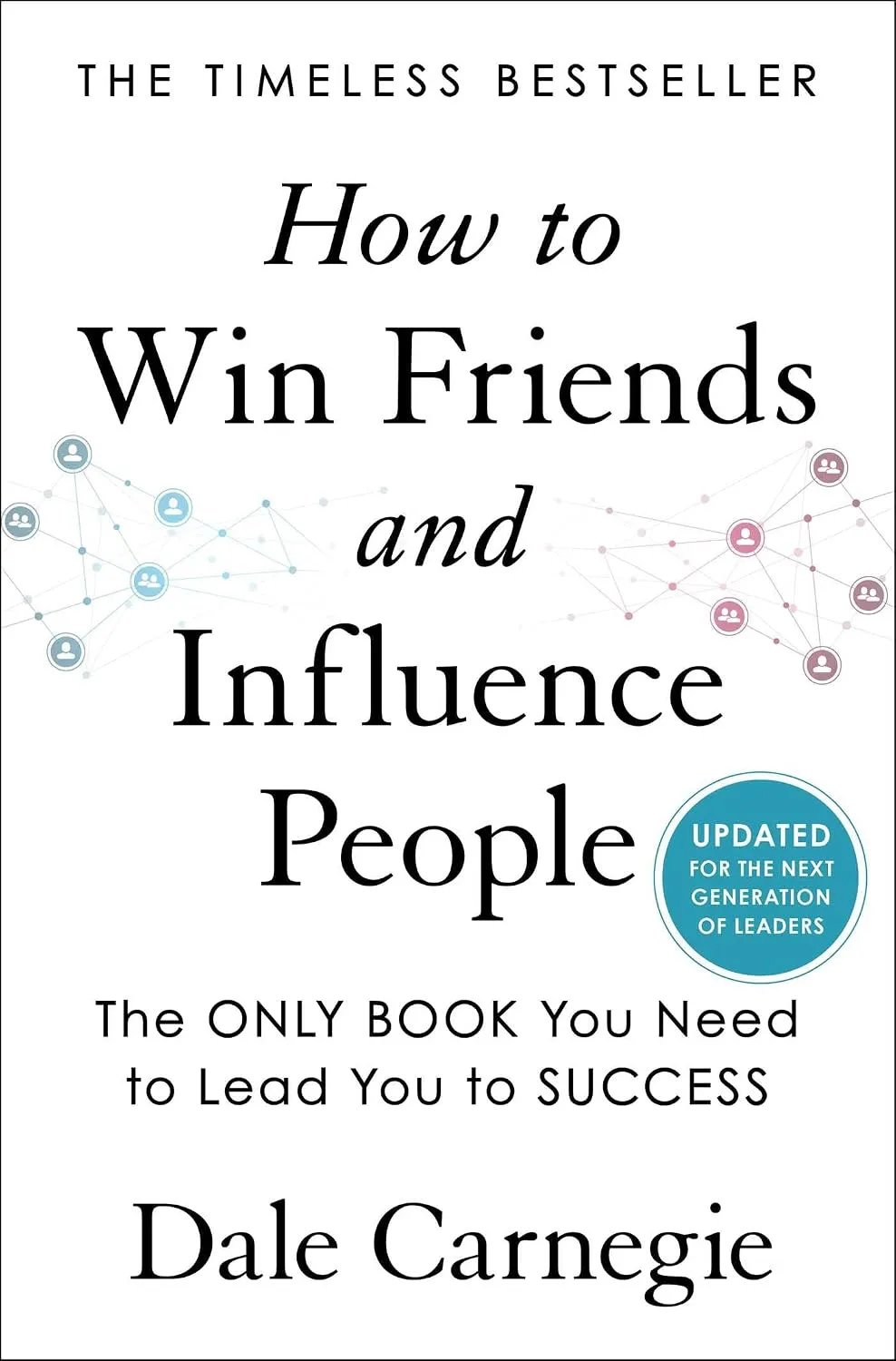
In How to Win Friends and Influence People, Dale Carnegie explores the principles behind building stronger relationships, communicating effectively, and influencing people without manipulation or coercion.
Although the book was first published decades ago, many of its lessons remain remarkably relevant because human nature hasn't changed nearly as quickly as technology has.
What This Book Is About
Carnegie's approach is based on understanding how people want to be treated.
The book covers principles such as showing genuine interest in others, listening carefully, remembering names, avoiding unnecessary criticism, acknowledging mistakes, showing appreciation, and trying to understand situations from another person's perspective.
Despite the word “influence” in the title, the book isn't primarily about clever persuasion techniques.
Its strongest lessons are about creating interactions in which people feel respected and valued.
That makes the principles useful far beyond sales. They apply to customers, employees, business partners, vendors, networking, leadership, and everyday relationships.
Why RVBN Recommends It
Small businesses have an advantage large companies often struggle to reproduce:
They can be personal.
A customer can know the owner. An employee can have a real conversation with the person making decisions. A business can remember someone's name, listen to their problem, and respond like a human being rather than a corporate process.
Carnegie's principles help strengthen that advantage.
They also fit naturally with networking. The person who walks into every conversation thinking “What can I get from this person?” approaches relationships very differently from someone thinking “Who is this person, and how can I be useful to them?”
The second approach tends to build much stronger relationships over time.
Who Should Read This Book?
This book may be especially useful if:
You regularly interact with customers or prospects.
Networking feels uncomfortable or transactional.
You manage employees.
You sometimes struggle with difficult conversations.
You want to become a better listener.
You need to persuade people without becoming pushy.
You want to build stronger professional and personal relationships.
One Big Idea
Become genuinely interested in other people.
That sounds almost too simple to be a business principle.
But think about the difference between two networking conversations.
One person spends ten minutes explaining their business and waiting for an opportunity to hand you a card.
Another asks about your business, listens to the answer, remembers what you said, and later introduces you to someone who might be able to help.
Which person are you more likely to remember?
Influence often begins long before anyone tries to persuade anyone of anything.
It begins with interest, attention, and trust.
Put It Into Practice
During your next conversation with a customer, employee, or fellow business owner, give yourself a simple challenge:
Ask more questions than you answer.
Find something you're genuinely curious about.
Listen to the answer instead of preparing what you're going to say next.
Use the person's name.
If they describe a problem, resist immediately telling them how to solve it.
Ask another question.
And when you meet someone who could benefit from knowing another person in your network, make the introduction without expecting anything in return.
Then try another Carnegie principle during your next disagreement:
Before explaining why someone is wrong, try to understand why their position makes sense to them.
You may still disagree.
But understanding someone and agreeing with them aren't the same thing.
Good relationships rarely come from winning every conversation.
They come from making people feel that the conversation was worth having.